
Whistleblowers Get Demonized
The Whistleblowers:Why Speaking Truth Will Cost You
by Pastor Dave Smale
The world is not worthy of the faithful: When we see good people suffer or leave this world too soon, it is not always a sign of injustice. Sometimes, it is God’s way of honoring them, declaring that this world is not worthy of their faith and character. Their lives and suffering become a testimony that challenges and inspires us to deeper faith. [05:14]
The call to speak truth is both a privilege and a burden: Like Jeremiah, we are called to be spiritual whistleblowers, exposing darkness and proclaiming God’s truth. This calling is not always welcomed; it often brings rejection, ridicule, and even personal cost. Yet, the fire of God’s Word within us compels us to speak, even when silence seems easier. [18:15]
Worldly protections are unreliable, but God’s presence is sure: Legal or institutional safeguards may fail, and standing for truth can bring real danger. However, God’s promise is that He will be with us, delivering and sustaining us through every trial. Our security is not in human systems, but in the faithfulness of God who sees and rewards our obedience. [20:30]
Silence in the face of evil is complicity: When we witness wrongdoing—whether in our families, workplaces, communities, or culture—remaining silent can make us accomplices to sin. God calls us to courageously speak and act, trusting Him with the consequences, and believing that our faithfulness can bring change and hope. [30:25]
Faithfulness may bring suffering, but God vindicates His servants: Jeremiah’s life was marked by pain, misunderstanding, and opposition, yet he could not abandon his calling. In the end, God honored his faithfulness, using him to impact nations and generations. Our suffering for righteousness is never wasted; God sees, remembers, and ultimately vindicates those who stand for Him. [35:38]
Bible Reading
Jeremiah 20:8-11 KJB 8 For since I spake, I cried out, I cried violence and spoil; because the word of the LORD was made a reproach unto me, and a derision, daily. 9 Then I said, I will not make mention of him, nor speak any more in his name. But his word was in mine heart as a burning fire shut up in my bones, and I was weary with forbearing, and I could not stay. 10 For I heard the defaming of many, fear on every side. Report, say they, and we will report it. All my familiars watched for my halting, saying, Peradventure he will be enticed, and we shall prevail against him, and we shall take our revenge on him. 11 But the LORD is with me as a mighty terrible one: therefore my persecutors shall stumble, and they shall not prevail: they shall be greatly ashamed; for they shall not prosper: their everlasting confusion shall never be forgotten.
Hebrews 11:36-38 KJB 36 And others had trial of cruel mockings and scourgings, yea, moreover of bonds and imprisonment: 37 They were stoned, they were sawn asunder, were tempted, were slain with the sword: they wandered about in sheepskins and goatskins; being destitute, afflicted, tormented; 38 (Of whom the world was not worthy:) they wandered in deserts, and in mountains, and in dens and caves of the earth.
Observation Questions
In Jeremiah 20:9, what does Jeremiah say happens when he tries to stay silent about God’s message?
According to Hebrews 11:36-38, what kinds of suffering did the heroes of faith endure, and how does the writer describe their relationship to the world?
In the sermon, what modern example was given to illustrate the cost of being a “whistleblower” for truth? [08:08]
What promise does God give to Jeremiah about facing opposition and fear? [15:10]
Interpretation Questions
Why does Jeremiah describe God’s word as a “burning fire shut up in my bones”? What does this reveal about his calling and inner struggle? [31:00]
The sermon says, “the world was not worthy” of people like Nisha and the unnamed faithful in Hebrews 11. What does this mean about how God values His people, especially those who suffer? [05:14]
The message draws a parallel between Jeremiah and modern whistleblowers. What are the risks and rewards of standing up for truth, both in Jeremiah’s time and today? [19:32]
How does God’s promise of His presence and deliverance change the way Jeremiah (and we) can face rejection or persecution? [20:30]
Application Questions
The sermon challenges us to consider what injustices or evils we see around us that God might be prompting us to address. Is there a situation in your family, workplace, school, or community where you feel God is nudging you to speak up? What holds you back? [38:37]
Jeremiah was tempted to stay silent because of fear, ridicule, and pain, but he found that silence was even more unbearable. Have you ever experienced a time when you felt compelled to speak up for what’s right, even though it was uncomfortable? What happened? [31:00]
The message says, “Silence in the face of evil is complicity.” Are there areas in your life where you have chosen silence instead of action? What would it look like to take a first step toward speaking or acting for truth? [30:25]
God told Jeremiah, “Do not be afraid of their faces, for I am with you to deliver you.” How can you remind yourself of God’s presence and protection when you feel afraid to stand for truth? [15:10]
The sermon mentions that worldly protections are unreliable, but God’s faithfulness is sure. When have you relied on human systems for security, and how did that compare to trusting God? [20:30]
The story of Nisha and the heroes of faith in Hebrews 11 reminds us that suffering is not always a sign of injustice, but sometimes a testimony to faith. How does this perspective change the way you view suffering in your own life or in the lives of others? [05:14]
The call to be a “spiritual whistleblower” is both a privilege and a burden. What practical steps can you take this week to be faithful to God’s calling, even if it costs you something? [18:15]

Is there a Fox Nearby?
Identify those that would
lead you astray
How Parents Can Discern Healthy Teaching
and Safe Environments
Preacher Boys Exposing IFB abuse
Exposing - Engaging - Equipping
My mission is to shed light on the important issue of abuse within Independent Baptist Churches.

Signs You May Be In A Cult
Signs Your Church May Be a High-Control or Unhealthy Environment - also called a "Cult"
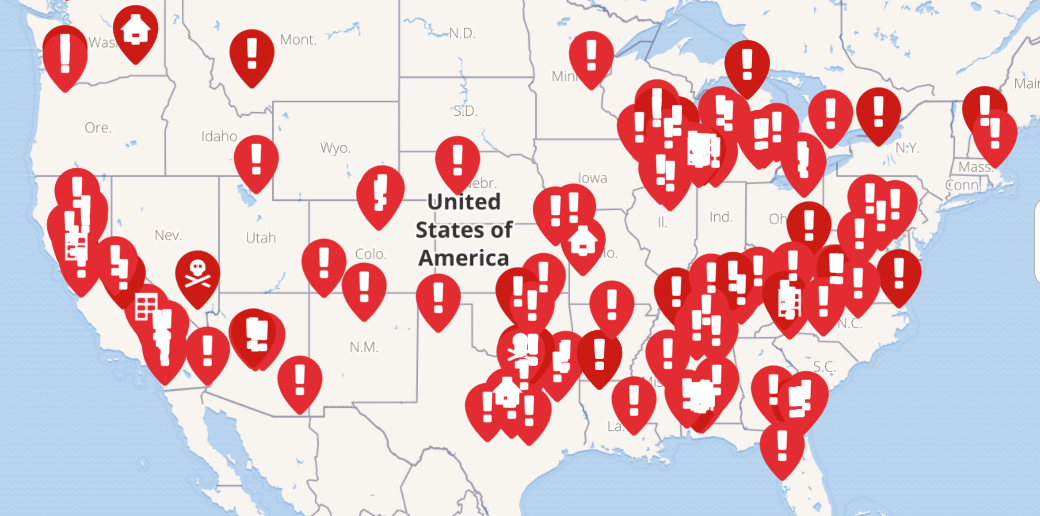
Abuser Database Map
Preacher Boy listing of Independant Fundamential Baptist Preachers

When Aberrant Behavior
Becomes A Cult
The hidden dangers exposed
Whistleblowers Get Demonized
Do The Right Thing
Stay strong in Gods Word
Pedophile Church Registry
Over 8,000 so called churches that are LGBTQ+ friendly

Your children are the most vonurable - and easy prey if not protected
Simple things you can to to watch out for the little ones safety.